
Wattip What It Is and Why Everyone Is Talking About It in 2026
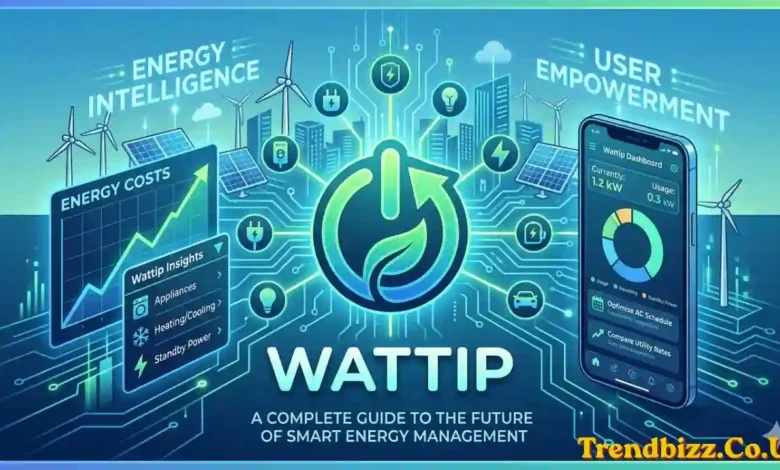
Electricity bills have quietly become one of the most frustrating household expenses of the modern era. Prices keep climbing, usage keeps growing, and most people still have no clear picture of where their energy actually goes. That gap between consumption and understanding is exactly where tools like Wattip are starting to make a difference.
The term Wattip has been popping up across tech blogs, sustainability forums, and smart home communities with increasing regularity. For some, it sounds like a product name. For others, it reads like a niche concept still looking for its final form. The truth is somewhere in between — and that’s part of what makes it worth paying attention to. Wattip sits at the intersection of energy intelligence, digital innovation, and practical user empowerment, and it’s gaining real traction because the problems it addresses are very real.
This article breaks down what Wattip actually is, how it functions in different contexts, who stands to benefit from it, and whether it’s worth exploring in 2026.
What Is Wattip
Wattip is best understood as an emerging concept connected to smart energy monitoring, digital platform design, and simplified technology experiences. It doesn’t yet carry a single locked-in definition — it’s being used across different conversations in different ways — but the core idea running through all of them is the same: giving people more control over the way they interact with energy and digital systems.
The name itself offers a clue. “Watt” is the unit used to measure electrical power, and “tip” suggests guidance, advice, or a pointed insight. Put them together, and the purpose becomes clear — Wattip is essentially about delivering useful, actionable guidance based on real energy data. It’s a name that reflects a philosophy as much as a product.
In practice, Wattip is being discussed in three main ways. The strongest and most practical interpretation frames it as a smart energy monitoring platform — a system that connects to a home or business’s electrical infrastructure and delivers real-time consumption data. A second interpretation positions it as a broader digital platform framework, designed to help businesses improve performance, integrate tools, and operate more efficiently. A third, softer reading describes it as a calm, minimal-stimulation digital app for people who want a quieter online experience. All three share an emphasis on clarity, control, and cutting through unnecessary noise.
Wattip as a Smart Energy Monitoring Platform
The most grounded and widely discussed version of Wattip is the energy monitoring one, and it’s where the concept delivers the most immediate, tangible value.
At its core, a Wattip-based monitoring system connects to a property’s electrical setup — either through compatible smart meters or dedicated monitoring hardware — and begins tracking how electricity is being used in real time. Unlike a standard utility bill, which arrives once a month and tells a person almost nothing about individual usage patterns, Wattip goes much deeper. It breaks consumption down by device, by time of day, and by usage behavior, giving users a genuinely detailed picture of where their power is going.
That level of granularity matters. Most people have no idea that a single appliance left on standby, or an older heating unit running inefficiently, can quietly inflate a monthly bill by a surprising amount. With Wattip, those patterns become visible. Usage spikes get flagged. High-consumption devices get identified. The data moves from abstract numbers on a bill to a clear, understandable map of daily energy habits.
Traditional energy monitoring has always been reactive. People see the bill, feel the shock, and then try to remember what they did differently that month. Wattip flips that dynamic by making energy data immediate and ongoing. It integrates with smart home devices and works within broader connected home ecosystems, meaning users aren’t just monitoring — they’re operating with the kind of real-time awareness that actually enables change.
Key Features of Wattip
Several features define how Wattip operates and what sets it apart from older approaches to energy management.
Real-time tracking is the foundation. Rather than waiting for monthly statements, users see live data feeds that reflect current consumption across their connected devices and systems. This immediacy allows for fast adjustments when something looks off.
Detailed analytics sit on top of that live data. Wattip doesn’t just show numbers — it translates consumption into insights. Users can see which appliances are the heaviest draws, when peak usage tends to occur, and where the most obvious savings opportunities exist.
The interface is built to be accessible. One of the consistent points made across discussions of Wattip is that it doesn’t require technical expertise to use. The design is clean and navigable, meaning a homeowner with no background in energy systems can still get full value from the platform.
Alert functionality adds a proactive layer. When usage spikes unexpectedly or a device behaves abnormally, Wattip notifies the user rather than leaving them to discover the problem on next month’s bill.
Compatibility is broad. Wattip is designed to work across multiple devices and appliances, and it scales well — from a single household to a small business operation to a landlord managing several properties. That flexibility is a meaningful part of its appeal.
Benefits of Using Wattip
The practical case for Wattip comes down to a few straightforward outcomes that most households and businesses would genuinely welcome.
Lower electricity bills are the most obvious. When people can see exactly which devices are consuming the most power, they can make informed decisions about usage — turning things off, upgrading inefficient appliances, or shifting heavy usage to off-peak hours. That kind of targeted adjustment tends to produce real, measurable savings over time.
Greater awareness of energy habits is a subtler but equally valuable benefit. Many people operate on autopilot when it comes to electricity use. Wattip introduces a feedback loop that didn’t exist before, helping users notice patterns they never would have caught otherwise.
For individuals and businesses who care about environmental impact, the sustainability angle is significant. Reducing energy waste isn’t just financially smart — it contributes to a lower carbon footprint. Wattip positions itself at that intersection of personal benefit and broader responsibility, which resonates with a growing segment of users.
For businesses, the cost management dimension is particularly compelling. Operational energy costs can quietly erode margins, especially for small and medium enterprises running equipment around the clock. Having a clear view of that consumption — and the tools to reduce it — gives businesses a lever they often don’t know they’re missing.
Perhaps most importantly, Wattip shifts users from a reactive to a proactive relationship with energy. Instead of opening a bill and feeling helpless, people using Wattip have data, context, and options.
Who Is Wattip For
Wattip’s design and functionality make it relevant to a fairly wide range of users, which is part of what gives it staying power as a concept.
Homeowners represent the most natural audience. Anyone paying a monthly electricity bill and wanting to understand — and reduce — what they’re spending will find immediate value in what Wattip offers. The real-time visibility alone is a significant upgrade over the information most people currently have access to.
Small and medium businesses are another strong fit. Managing energy costs is often an afterthought in day-to-day operations, but it’s an area where efficiency gains can accumulate meaningfully over a year. Wattip gives business owners a clear line of sight into one of their recurring overhead costs.
Sustainability-focused individuals — those actively tracking their environmental impact and looking for concrete ways to reduce it — will find in Wattip a tool that makes the abstract measurable. Carbon footprint conversations often stay theoretical; Wattip brings them into the practical.
Landlords and property managers overseeing multiple units or buildings have a particular incentive. Monitoring energy use across several properties simultaneously, and identifying inefficiencies in any of them, is exactly the kind of task that benefits from a centralized, data-driven tool.
Wattip in the Broader Digital Context
While the energy monitoring interpretation is the most developed, it’s worth acknowledging that Wattip is being discussed in other digital contexts too.
In some corners of the tech world, Wattip is framed as a digital platform framework — a system designed to help organizations integrate their tools, streamline workflows, and improve overall performance. This version of Wattip emphasizes adaptability and efficiency, operating on the principle that technology should reduce complexity rather than add to it.
There’s also a quieter, more human-centered interpretation: Wattip as a calm digital application, designed for people who are tired of overstimulating, algorithmically aggressive platforms. In this context, Wattip represents an antidote to digital noise — a space where users control what they see and how they engage, without being pushed to scroll endlessly or respond to constant notifications.
What connects these different interpretations is a shared orientation toward control, clarity, and reduction of waste — whether that waste is measured in kilowatts, cluttered workflows, or fractured attention spans. Wattip, in whatever form it takes, seems to be responding to the same underlying frustration: that modern systems too often work against the people using them.
Is Wattip Worth It in 2026
The honest answer is that it depends — but for most people asking the question, the answer leans toward yes.
If someone is approaching Wattip as a smart energy monitoring solution, the value proposition is clear. Rising electricity costs, increasing awareness of environmental impact, and the growing availability of smart home infrastructure all create a favorable environment for exactly the kind of tool Wattip represents. Real savings, real data, and real control over consumption are outcomes that matter to a wide audience.
The main caveat is that Wattip doesn’t yet have a single, universally agreed-upon product definition. Depending on where someone encounters the term, they might find slightly different offerings or framings. That means prospective users should evaluate what they’re looking at based on their specific context — whether that’s household energy management, business efficiency, or something in the digital platform space.
For those willing to engage with it on its own terms, Wattip has enough substance behind it to be worth exploring seriously. The concept is grounded in real needs, and the features associated with it address problems that aren’t going away.
Conclusion
Wattip represents something that a lot of people have been waiting for without necessarily knowing what to call it: a smarter, more transparent relationship with energy and technology. Whether it’s helping a family understand why their electricity bill jumped last month, giving a small business owner a clearer view of operating costs, or offering a quieter corner of the internet to someone exhausted by digital overload, Wattip points in a direction that feels genuinely useful.
As electricity prices continue to rise and sustainability moves from a buzzword to a practical priority, tools that bring clarity and control to energy consumption are going to matter more, not less. Wattip is well-positioned in that space — and the growing number of conversations happening around it suggests that its moment is only just beginning.
Also Read: