Try Hard Wordle: A Complete Deep Dive into the Meaning, Mindset, and Strategy of Try Hard Wordle
Introduction to Try Hard Wordle
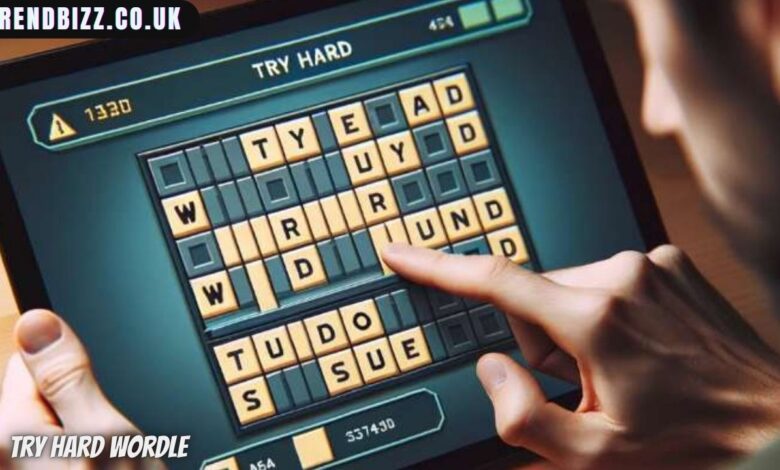
Try hard wordle has become a popular phrase among daily puzzle enthusiasts who approach the Wordle game with maximum focus, planning, and seriousness. Unlike casual players who enjoy the game as a brief mental break, try hard wordle players treat each puzzle as a challenge that deserves analytical thinking, pattern recognition, and strategic execution. The phrase try hard wordle is not just about winning; it reflects a mindset where players aim for optimal guesses, minimal attempts, and consistent performance streaks. Over time, try hard wordle has grown into a recognizable style of play that separates relaxed solvers from dedicated puzzle tacticians.
At its core, try hard wordle represents a commitment to mastering the mechanics of Wordle. Players adopting the try hard wordle approach analyze letter frequencies, memorize common word patterns, and refine their opening guesses through trial and error. This level of dedication transforms a simple word puzzle into a daily intellectual ritual. Try hard wordle is not about removing fun from the game but rather about finding satisfaction in precision, improvement, and self-competition.
What Does Try Hard Wordle Really Mean
The meaning of try hard wordle goes beyond simply “trying harder.” In puzzle culture, the term “try hard” often refers to someone who invests more effort than average into an activity. In the context of try hard wordle, it describes players who aim to solve the puzzle in as few guesses as possible, often three or four, using well-tested strategies. These players may track their statistics, analyze past failures, and adjust their methods daily.
Try hard wordle also implies intentional learning. Instead of guessing random words, players study which consonants and vowels appear most often in the English language. They understand that information gained from early guesses is more valuable than simply stumbling upon the correct word. The try hard wordle mindset values efficiency, consistency, and mastery, turning each puzzle into a learning opportunity.
The Rise of Try Hard Wordle Culture
As Wordle became a global phenomenon, different styles of play emerged. Among them, try hard wordle gained visibility through online discussions, shared strategies, and competitive comparisons. Players began posting their results, showing off low-guess wins and long streaks, reinforcing the idea that skill and preparation matter. This social aspect contributed significantly to the growth of try hard wordle culture.
Try hard wordle culture thrives on self-improvement rather than external rewards. There is no official leaderboard, yet players compete against their own records and the unspoken standards of the community. The pride of solving a puzzle in three guesses or maintaining a flawless streak fuels continued engagement. Over time, try hard wordle has become synonymous with disciplined gameplay and mental sharpness.
The Psychology Behind Try Hard Wordle
The appeal of try hard wordle lies deeply in psychology. Humans naturally enjoy mastering systems, and Wordle provides a clear structure with immediate feedback. Each colored tile reinforces learning, and try hard wordle players use that feedback to optimize future decisions. This creates a rewarding loop of effort, analysis, and improvement.
Try hard wordle also taps into the desire for control. With only six guesses, every decision feels important. Players who embrace try hard wordle enjoy the sense of agency that comes from careful planning. The puzzle becomes a test of logic rather than luck, making success feel earned and deeply satisfying.
Try Hard Wordle vs Casual Wordle Play
Casual Wordle play focuses on enjoyment without pressure. Players might choose words they like or guess based on intuition. Try hard wordle, by contrast, prioritizes efficiency and data-driven decisions. Every guess is chosen for maximum informational value, not emotional preference.
This difference does not make one approach superior. Instead, try hard wordle offers an alternative way to experience the game. For players who enjoy problem-solving and structured challenges, try hard wordle enhances engagement. It transforms Wordle from a light pastime into a daily mental workout.
The Importance of Opening Guesses in Try Hard Wordle
One of the defining features of try hard wordle is the emphasis on the opening guess. Try hard wordle players spend significant time selecting words that reveal the most information. These words often contain multiple common letters and vowels, allowing players to quickly narrow down possibilities.
The opening guess in try hard wordle sets the tone for the entire puzzle. A strong first word can eliminate many incorrect options and guide the solver toward an efficient solution. Over time, try hard wordle players refine their openings based on results, treating the process as an evolving experiment.
Letter Frequency and Pattern Recognition in Try Hard Wordle
Understanding letter frequency is a cornerstone of try hard wordle. Players learn which letters appear most often and which combinations are common in five-letter words. This knowledge allows them to prioritize guesses that maximize coverage.
Pattern recognition further enhances try hard wordle performance. By recognizing familiar word structures, players can anticipate possible solutions earlier. This skill develops with experience, reinforcing the idea that try hard wordle rewards consistent practice and attention to detail.
Try Hard Wordle and Strategic Elimination
Strategic elimination is central to try hard wordle. Instead of aiming to guess the answer immediately, players focus on eliminating as many incorrect letters as possible. Each guess serves as a data-gathering step rather than a shot in the dark.
This approach reduces uncertainty and increases the likelihood of solving the puzzle efficiently. Try hard wordle players understand that patience and planning often outperform impulsive guessing. The methodical elimination process is what makes try hard wordle feel intellectually satisfying.
The Role of Statistics in Try Hard Wordle
Many try hard wordle players track their performance statistics, including average guesses, win rate, and streaks. These metrics provide tangible evidence of improvement and motivate continued effort. By analyzing past games, players identify patterns in their mistakes and adjust their strategies accordingly.
Statistics transform try hard wordle into a personal challenge. Each day becomes an opportunity to improve numbers and maintain consistency. This analytical layer adds depth to the experience, appealing to players who enjoy measurable progress.
Try Hard Wordle as a Daily Mental Exercise
Beyond entertainment, try hard wordle functions as a daily mental exercise. The puzzle engages memory, logic, and linguistic knowledge, offering cognitive stimulation in a short time frame. For many players, try hard wordle becomes part of a daily routine, similar to a crossword or brain teaser.
This routine provides structure and a sense of accomplishment. Completing the puzzle efficiently reinforces confidence and sharpens problem-solving skills. Try hard wordle thus serves both recreational and cognitive purposes.
Community Influence on Try Hard Wordle
The community surrounding Wordle plays a significant role in shaping try hard wordle behavior. Shared strategies, discussions, and comparisons encourage players to refine their methods. Seeing others succeed with fewer guesses inspires experimentation and learning.
Try hard wordle thrives in this environment of shared knowledge. Players exchange insights about letter usage and word patterns, collectively raising the level of play. This communal learning aspect strengthens the appeal of try hard wordle.
Misconceptions About Try Hard Wordle
Some perceive try hard wordle as taking the game too seriously. However, this view overlooks the enjoyment derived from mastery and improvement. Try hard wordle does not diminish fun; it redefines it. For many, the satisfaction of solving a puzzle efficiently outweighs the simplicity of casual play.
Another misconception is that try hard wordle requires external tools. In reality, it relies primarily on logical thinking and experience. The essence of try hard wordle lies in understanding the game, not in using shortcuts.
How Try Hard Wordle Enhances Language Skills
Engaging deeply with try hard wordle can enhance vocabulary and language awareness. Players encounter unfamiliar words, learn spelling patterns, and develop a better understanding of word structure. Over time, this exposure improves linguistic intuition.
Try hard wordle encourages curiosity about language. Players often reflect on why certain words fit the puzzle, deepening their appreciation for the complexity of English. This educational benefit adds another layer of value to try hard wordle.
Emotional Rewards of Try Hard Wordle
The emotional rewards of try hard wordle are subtle but powerful. Solving a puzzle in fewer guesses brings a sense of achievement and pride. Maintaining a streak reinforces discipline and consistency.
These rewards motivate continued participation. Try hard wordle becomes a source of daily positivity, offering a small but meaningful victory. This emotional reinforcement explains why many players remain committed to the try hard wordle approach.
The Balance Between Fun and Intensity in Try Hard Wordle
While try hard wordle emphasizes strategy, balance remains important. The best try hard wordle players know when to relax and enjoy the process. Over-intensity can lead to frustration, undermining the enjoyment that makes the game worthwhile.
Maintaining perspective allows try hard wordle to remain engaging rather than stressful. Players who balance focus with flexibility tend to sustain long-term enjoyment. This balance is key to making try hard wordle a positive habit.
The Evolution of Personal Style in Try Hard Wordle
As players gain experience, their try hard wordle style evolves. Early strategies may give way to refined techniques based on personal strengths. Some players prioritize vowels, while others focus on consonant coverage.
This personalization makes try hard wordle uniquely rewarding. Each player develops a method that reflects their thinking patterns, reinforcing a sense of ownership and creativity within the structured game.
Why Try Hard Wordle Continues to Attract Players
The enduring appeal of try hard wordle lies in its simplicity combined with depth. The rules are straightforward, yet the strategic possibilities are vast. This balance keeps players engaged over time.
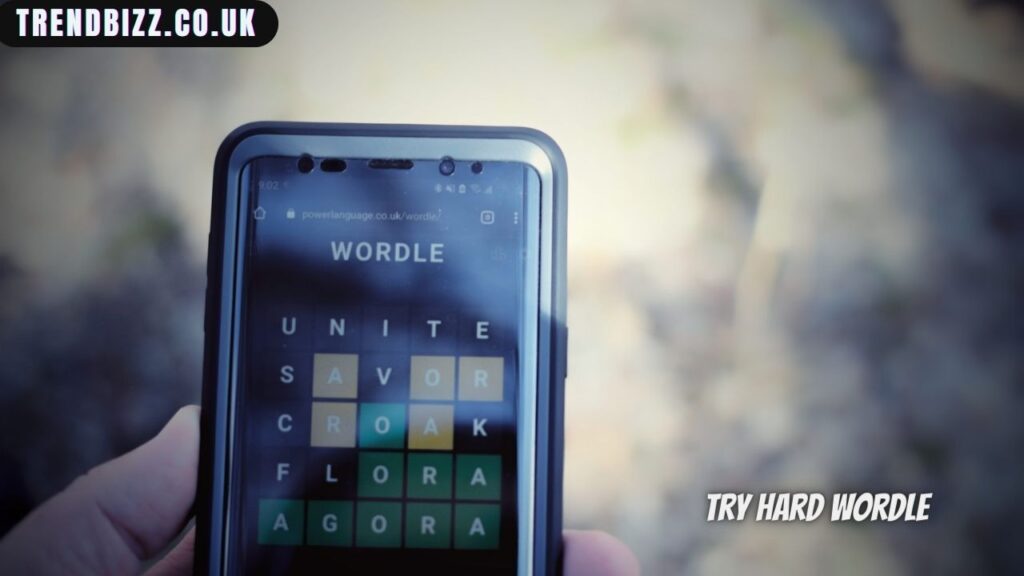
Try hard wordle offers a daily challenge that fits easily into busy lives. Its short format and meaningful rewards make it an ideal mental exercise. As long as players value improvement and mastery, try hard wordle will continue to thrive.
Conclusion: The Lasting Impact of Try Hard Wordle
Try hard wordle represents more than a way to play a word game; it embodies a mindset of curiosity, discipline, and self-improvement. By approaching Wordle with intention and strategy, players transform a simple puzzle into a daily intellectual pursuit.
The popularity of try hard wordle highlights a broader human desire to master challenges and track progress. Whether for cognitive stimulation, personal satisfaction, or community engagement, try hard wordle offers a rich and rewarding experience. Its lasting impact lies in showing how even the simplest games can inspire depth, dedication, and joy.
Also Read : Ditto for Us NYT Crossword: Meaning, Context, and Crossword Puzzle Insight