Everything You Need to Know About Medicton: A Complete Guide
Introduction
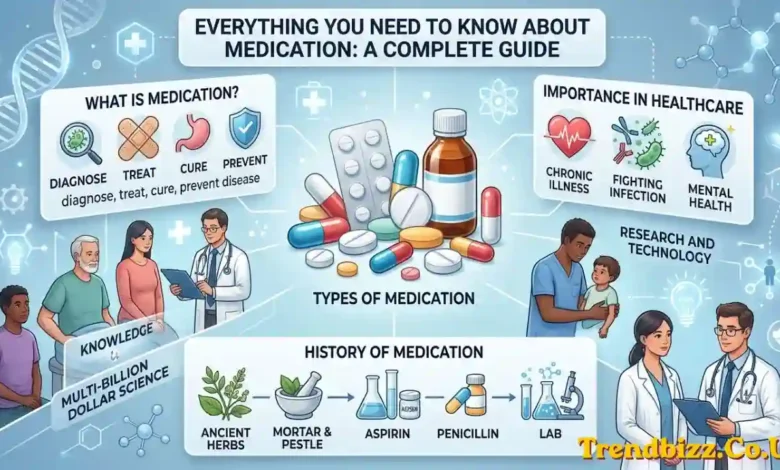
Medicton is one of the most powerful tools in modern healthcare. Simply put, medication refers to any substance used to diagnose, treat, cure, or prevent disease. Whether it’s a simple painkiller for a headache or a complex drug therapy for cancer, medication plays a central role in keeping people healthy and improving quality of life.
The importance of Medicton in today’s world cannot be overstated. Millions of people around the globe rely on daily medication to manage chronic illnesses, fight infections, and maintain mental health. Without access to proper medication, conditions that are easily manageable today would once again become life-threatening.
The history of Medicton is as old as human civilization itself. Ancient Egyptians used herbal remedies, while Chinese medicine developed plant-based treatments thousands of years ago. The modern era of medication, however, truly began in the 19th and 20th centuries — with the discovery of aspirin, penicillin, and eventually the development of sophisticated pharmaceutical drugs. Today, medication development is a multi-billion-dollar science driven by research, technology, and a deep commitment to human health.
Types of Medictons
Prescription vs. Over-the-Counter (OTC)
Not all medications are created equal. Some Medictons require a doctor’s prescription, meaning they can only be obtained through a licensed healthcare provider. These are typically stronger, more complex, or carry higher risks if misused. Over-the-counter (OTC) medications, on the other hand, are available directly from a pharmacy or store without a prescription. Common OTC medications include pain relievers, cold medicines, and antacids.
Medications by Form
Medication comes in many different forms, each designed for a specific purpose or method of delivery:
- Pills and tablets are the most common form, easy to store and take.
- Liquid Medictons are often used for children or those who have difficulty swallowing.
- Injections deliver medication directly into the bloodstream for fast action.
- Patches release Medicton slowly through the skin over time.
- Inhalers deliver medication directly to the lungs, commonly used for asthma.
Medictons by Function
Medicton can also be grouped by what it does in the body:
- Antibiotics fight bacterial infections.
- Analgesics relieve pain.
- Antidepressants help manage depression and anxiety.
- Antivirals target viral infections like flu or HIV.
- Antihypertensives control blood pressure, and many more categories exist depending on medical need.
How Medications Work
Pharmacodynamics: The Effect on the Body
Pharmacodynamics is the study of how medication affects the body. When someone takes a medication, it interacts with specific targets — usually proteins, enzymes, or receptors — in the body. This interaction triggers a biological response, such as reducing inflammation, killing bacteria, or altering mood-related chemicals in the brain.
Pharmacokinetics: The Body’s Effect on Medication
Pharmacokinetics is the flip side — it looks at how the body processes medication. This involves four stages:
- Absorption: How the medication enters the bloodstream.
- Distribution: How it travels to different tissues and organs.
- Metabolism: How the body breaks it down, usually in the liver.
- Excretion: How the body eliminates it, mostly through urine or feces.
Understanding these stages helps doctors determine the right dose and timing for a medication.
Mechanisms of Action
Every medication works through a specific mechanism of action. For example, ibuprofen blocks enzymes called COX-1 and COX-2 that produce pain-causing chemicals. Antibiotics may work by destroying bacterial cell walls or blocking their ability to reproduce. Understanding these mechanisms helps researchers develop more targeted and effective medications.
Safe Medication Use
Reading Labels and Following Dosage Instructions
One of the most important rules of safe medication use is reading the label carefully. Labels contain vital information — the name of the medication, the recommended dose, frequency of use, and any warnings. Following dosage instructions exactly as prescribed or indicated is essential to getting the right benefit from medication while avoiding harm.
Drug Interactions and Contraindications
Some medications don’t mix well with others. Drug interactions can occur when two or more medications are taken together, sometimes reducing effectiveness or causing dangerous side effects. Contraindications are conditions or situations where a specific medication should not be used — for example, certain blood thinners are contraindicated for people scheduled for surgery. Always informing a doctor or pharmacist about all current medications is a smart and necessary habit.
Storage and Handling
Proper storage is often overlooked but is critical for medication effectiveness. Most medications should be stored at room temperature, away from direct sunlight and moisture. Some require refrigeration. Medications stored improperly may lose their potency or even become harmful.
Expiration Dates
Every medication has an expiration date, and it’s there for a reason. After that date, the chemical composition of the medication may have changed, making it less effective or potentially unsafe. It’s always best to dispose of expired medication responsibly — many pharmacies offer medication disposal programs.
Medication Management
Role of Healthcare Providers and Pharmacists
Managing medication effectively requires a team effort. Doctors diagnose conditions and prescribe the right medication, while pharmacists play a crucial role in dispensing, advising, and checking for potential drug interactions. Together, they help ensure that patients get the safest and most effective treatment possible.
Prescription Processes
Getting a prescription medication involves more than just a doctor writing a note. Healthcare providers assess symptoms, review medical history, check for allergies, and consider other medications before prescribing. The pharmacist then reviews the prescription, prepares the medication, and counsels the patient on how to use it correctly.
Adherence and Compliance
One of the biggest challenges in medication management is adherence — actually taking the medication as directed. Studies show that a large number of patients either skip doses, stop early, or take incorrect amounts. Poor adherence can lead to treatment failure, disease progression, or unnecessary complications. Using pill organizers, setting reminders, and having open conversations with healthcare providers can significantly improve medication adherence.
Managing Chronic Conditions with Long-Term Medication
For people with chronic conditions like diabetes, hypertension, or asthma, medication is often a lifelong commitment. Long-term medication management requires regular monitoring, periodic dosage adjustments, and ongoing communication with healthcare teams. The goal is always to maintain quality of life while minimizing side effects over time.
Risks and Side Effects
Common vs. Serious Side Effects
Almost every medication carries the possibility of side effects. Common side effects, like mild nausea, drowsiness, or headache, are usually temporary and manageable. Serious side effects — such as liver damage, severe allergic reactions, or internal bleeding — are rare but require immediate medical attention. Patients are always encouraged to read the side effects information that comes with their medication.
Allergic Reactions
Some people are allergic to certain medications. Penicillin and sulfa drugs, for instance, are among the most common causes of drug allergies. Symptoms can range from a mild rash to a life-threatening anaphylactic reaction. Anyone who experiences unusual symptoms after starting a new medication should seek medical help immediately.
Dependency and Addiction Risks
Certain medications, particularly opioid painkillers, benzodiazepines, and sleep aids, carry a risk of dependency or addiction. This doesn’t mean these medications shouldn’t be used — they are often medically necessary — but they should always be taken under careful medical supervision, for the shortest time needed, and in the lowest effective dose.
Overdose Prevention
Medication overdose, whether accidental or intentional, is a serious public health concern. Keeping medications out of the reach of children, not sharing prescriptions, and following dosage guidelines are key prevention strategies. In households where opioid medications are used, keeping naloxone (an overdose reversal medication) on hand is increasingly recommended by health authorities.
Medications and Special Populations
Children and Pediatric Dosing
Children are not simply small adults when it comes to medication. Their bodies process medication differently, and dosing must be carefully calculated based on weight, age, and developmental stage. Many adult medications are not safe for children, which is why pediatric formulations — liquids, chewable tablets, or lower-dose options — exist specifically for younger patients.
Elderly Patients and Polypharmacy
Older adults often take multiple medications at once, a situation known as polypharmacy. This increases the risk of drug interactions and side effects. The aging body also metabolizes medication more slowly, meaning doses that are appropriate for younger adults may be too strong for elderly patients. Regular medication reviews with a healthcare provider are essential for this population.
Pregnant and Breastfeeding Individuals
Medication use during pregnancy requires extra caution. Some medications cross the placenta and can affect fetal development. Others pass through breast milk. Before taking any medication — even OTC drugs — pregnant or breastfeeding individuals should always consult a healthcare provider. Certain medications are labeled with pregnancy categories to guide safe use.
Global and Ethical Considerations
Access to Essential Medicines Worldwide
Despite the advances in medication development, millions of people in low-income countries still lack access to basic essential medicines. The World Health Organization (WHO) maintains a list of essential medications that every country should have available. Closing this access gap is one of the most pressing global health challenges today.
Generic vs. Brand-Name Drugs
When a pharmaceutical company develops a new medication, it holds a patent that gives it exclusive rights to sell that drug for a period of time. Once the patent expires, other companies can produce the same medication under its generic name. Generic medications contain the same active ingredients and work the same way as brand-name versions, but are typically far more affordable.
Drug Pricing and Affordability
The cost of medication is a deeply contentious issue, particularly in countries like the United States. Life-saving medications can cost thousands of dollars per month, making them inaccessible to many patients. The debate around drug pricing involves pharmaceutical research costs, profit incentives, insurance coverage, and government regulation — and it’s a conversation that affects millions of lives.
Counterfeit Medications
Counterfeit medications are a growing global threat. These fake drugs may contain no active ingredient, the wrong ingredient, or even harmful substances. They are particularly common in regions with weak regulatory oversight. Purchasing medication only from licensed pharmacies and avoiding unverified online sources is a critical safety measure.
The Future of Medications
Personalized Medicine and Pharmacogenomics
The future of medication is increasingly personal. Pharmacogenomics — the study of how a person’s genes affect their response to medications — is opening the door to truly personalized treatment. Instead of a one-size-fits-all approach, doctors may soon be able to prescribe the exact medication and dosage that works best for each individual’s unique genetic makeup.
Biotechnology and Biologics
Biologic medications — derived from living cells rather than chemical synthesis — represent one of the most exciting frontiers in modern medicine. Biologics are used to treat conditions like rheumatoid arthritis, cancer, and multiple sclerosis. As biotechnology advances, the range and effectiveness of biologic medications will only grow.
AI in Drug Discovery
Artificial intelligence is transforming the way new medications are discovered and developed. AI can analyze massive datasets, predict how molecules will behave in the body, and identify promising drug candidates far faster than traditional methods. What once took decades of laboratory work can now be accelerated significantly with the help of machine learning — bringing new medications to patients sooner.
Conclusion
Medication is an extraordinary achievement of human knowledge and compassion. From ancient herbal remedies to AI-assisted drug discovery, the journey of medication reflects humanity’s ongoing effort to heal, protect, and improve lives. Understanding how medications work, how to use them safely, and how to navigate the complex systems around them empowers individuals to make smarter, healthier decisions.
Responsible medication use — guided by healthcare professionals, supported by proper education, and driven by a genuine commitment to well-being — is one of the most important habits anyone can develop. Whether managing a simple cold or a complex chronic condition, medication, when used wisely, is truly a life-changing tool.
Also Read: What Kinervus Is, How It Works, and Why It Matters