
Tarnplanen Everything You Need to Know About Tarnplanen, Uses, Materials, and Real-Life Applications
Introduction to Tarnplanen
The term tarnplanen is commonly used in German to describe camouflage tarpaulins or camo sheets designed for concealment, protection, and outdoor coverage. In practical terms, tarnplanen refers to durable, often waterproof or weather-resistant covers that are printed with camouflage patterns. These are widely used in military operations, hunting, camping, survival situations, photography hides, and even decorative outdoor applications.
The concept of tarnplanen goes beyond just covering objects. It is about blending into the environment, protecting equipment, and providing functional shelter in challenging conditions. Whether used in forests, deserts, or urban outdoor environments, tarnplanen plays a significant role in concealment and protection strategies.
What Are Tarnplanen? Understanding the Basics
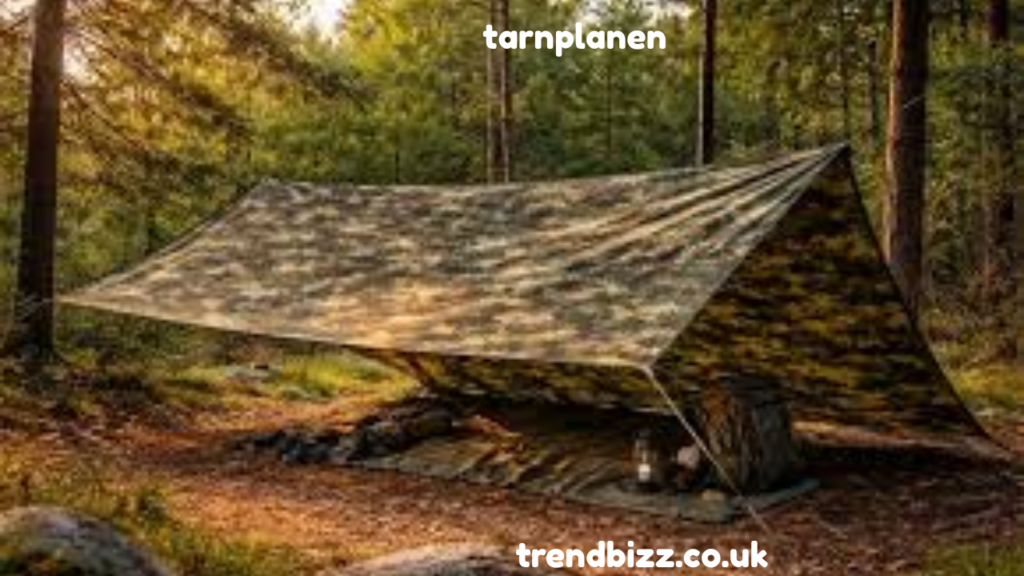
At its core, tarnplanen are heavy-duty tarps made from synthetic materials such as polyethylene or PVC. What makes them unique is their camouflage design, which allows them to visually blend into natural surroundings like forests, grasslands, or rocky terrains.
These tarps usually come with reinforced edges, metal eyelets, and weatherproof coatings. The structure of tarnplanen makes them resistant to rain, wind, UV rays, and sometimes even fire-retardant treatments depending on their intended use.
The main purpose of tarnplanen is twofold: concealment and protection. They can hide equipment, vehicles, shelters, or supplies while also protecting them from environmental damage.
Common Uses of Tarnplanen in Different Fields
1. Military and Tactical Applications
One of the most well-known uses of tarnplanen is in military operations. Soldiers use these camouflage sheets to conceal vehicles, weapons, and temporary bases. The ability of tarnplanen to blend into surroundings reduces visibility from aerial surveillance and ground observation.
In tactical environments, tarnplanen are also used to create temporary shelters or hideouts, making them essential for field operations.
2. Hunting and Wildlife Observation
Hunters frequently rely on tarnplanen to stay hidden from animals. When placed over hunting blinds or observation points, they break up human outlines and reduce detection.
Wildlife photographers also use tarnplanen to create hidden observation areas. This allows them to capture natural animal behavior without disturbing the environment.
3. Camping and Outdoor Survival
In outdoor survival situations, tarnplanen are extremely valuable. They can be used as:
- Emergency tents
- Ground covers
- Rain shelters
- Wind barriers
Because of their lightweight and foldable nature, tarnplanen are easy to carry in backpacks, making them a popular choice among hikers and campers.
4. Construction and Storage Protection
Beyond wilderness use, tarnplanen are also used in construction sites. They help cover materials, machinery, and tools from weather damage. The camouflage design is sometimes preferred in rural or forested construction areas where blending into surroundings is useful.
Storage facilities also use tarnplanen to protect goods from dust, moisture, and sunlight exposure.
5. Decorative and Recreational Use
Interestingly, tarnplanen are also used in themed events, military-style decorations, and outdoor parties. Paintball arenas and airsoft fields often rely on tarnplanen to create realistic combat environments.
They add an aesthetic of rugged outdoor survival while maintaining practical functionality.
Materials Used in Tarnplanen
The quality and durability of tarnplanen depend heavily on the materials used in their construction. Common materials include:
Polyethylene (PE)
This is one of the most common materials used in tarnplanen. It is lightweight, waterproof, and cost-effective.
Polyvinyl Chloride (PVC)
PVC-based tarnplanen are more durable and resistant to harsh weather conditions. They are often used in professional or military-grade applications.
Reinforced Fabric Layers
High-quality tarnplanen often include reinforced mesh layers that increase strength and prevent tearing.
UV-Protective Coatings
To prevent sun damage, many tarnplanen are coated with UV-resistant layers, extending their lifespan significantly.
Types of Tarnplanen Available
There are several different types of tarnplanen, each designed for specific use cases.
Forest Camouflage Tarnplanen
These feature green, brown, and black patterns designed for woodland environments. They are widely used in hunting and forest-based military training.
Desert Camouflage Tarnplanen
These have sandy and beige tones, ideal for arid environments.
Snow Camouflage Tarnplanen
White and grey patterns are used for snowy regions, making them effective in winter conditions.
Universal Camouflage Tarnplanen
These are designed to work in multiple environments and are often used in general outdoor activities.
Advantages of Using Tarnplanen
The popularity of tarnplanen comes from several key advantages:
1. Effective Concealment
The primary advantage of tarnplanen is their ability to blend into surroundings, making objects and spaces less visible.
2. Weather Resistance
Most tarnplanen are waterproof and wind-resistant, making them reliable in unpredictable weather conditions.
3. Durability
High-quality tarnplanen can last for years even under heavy outdoor use.
4. Portability
They are lightweight and easy to fold, making them ideal for travel and outdoor adventures.
5. Multi-Purpose Use
From military to camping to construction, tarnplanen serve a wide range of functions.
How to Choose the Right Tarnplanen
Selecting the right tarnplanen depends on several factors:
Environment
Choose a camouflage pattern that matches your surroundings—forest, desert, or snow.
Material Strength
For heavy-duty use, PVC-based tarnplanen are recommended.
Size Requirements
Make sure the tarnplanen is large enough to cover your intended area.
Weather Conditions
If you expect heavy rain or strong sunlight, look for waterproof and UV-resistant tarnplanen.
Purpose of Use
Military, camping, or construction uses may require different specifications.
Maintenance and Care for Tarnplanen
Proper maintenance extends the lifespan of tarnplanen significantly. Here are some important tips:
- Clean regularly with mild soap and water
- Avoid sharp objects that may tear the material
- Dry completely before storage to prevent mold
- Store in a cool, dry place
- Inspect for damage before each use
Taking care of tarnplanen ensures they remain functional and durable over time.
Future of Tarnplanen Technology
The evolution of tarnplanen continues as new materials and technologies are developed. Modern advancements include:
- Infrared camouflage capabilities
- Lightweight nano-material fabrics
- Eco-friendly biodegradable tarps
- Smart camouflage patterns that adapt to surroundings
These innovations are making tarnplanen even more effective in both military and civilian applications.
Frequently Asked Questions (FAQs)
What is tarnplanen used for?
tarnplanen are used for camouflage, protection, and covering objects in outdoor environments such as military zones, camping areas, and construction sites.
Are tarnplanen waterproof?
Yes, most tarnplanen are designed to be waterproof and weather-resistant.
Can tarnplanen be used for camping?
Absolutely. tarnplanen are commonly used as shelters, ground covers, and wind barriers in camping.
What is the best material for tarnplanen?
PVC-based tarnplanen are considered the most durable and suitable for heavy-duty use.
Do tarnplanen last long?
With proper care, tarnplanen can last several years even under harsh conditions.
Conclusion
The importance of tarnplanen lies in their versatility, durability, and ability to provide effective concealment in various environments. Whether used in military operations, outdoor survival, hunting, or construction, tarnplanen remain a practical and essential tool.
ALSO READ : satamatkaass.com/ Complete Guide to satamatkaass.com/ and Everything You Should Know