
Application Mobile Dualmedia: A Complete and In-Depth Guide to Modern Mobile Innovation
Introduction to Application Mobile Dualmedia
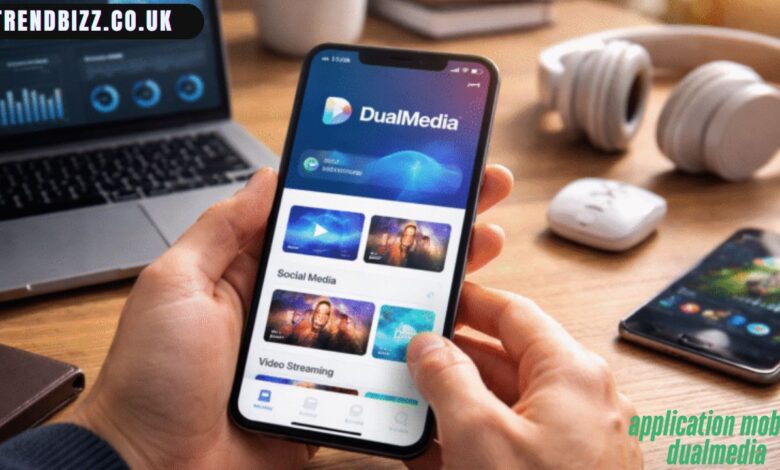
The concept of application mobile dualmedia has become increasingly important in the modern digital ecosystem where mobile technology, user experience, and business strategy intersect. An application mobile dualmedia is not just a simple mobile app; it represents a comprehensive approach to mobile solutions that combine multiple media formats, platforms, and interaction models into one unified experience. As smartphones and tablets dominate digital consumption, businesses and individuals are seeking more advanced solutions, and application mobile dualmedia answers this demand with flexibility, scalability, and innovation.
At its core, application mobile dualmedia refers to the design and development of mobile applications that integrate dual or multiple media channels, such as text, audio, video, interactive elements, and real-time data. This approach ensures richer engagement, stronger branding, and better performance across different user environments. The growing interest in développement application mobile dualmedia highlights how companies are shifting from basic apps toward intelligent, media-rich platforms that can adapt to diverse user needs.
Understanding the Core Concept of Application Mobile Dualmedia
To fully understand application mobile dualmedia, it is essential to break down its foundational principles. The term dualmedia implies the integration of more than one media type or interaction layer within a single mobile application framework. This may include combining content delivery with interactive tools, offline capabilities with online synchronization, or business logic with multimedia storytelling.
Application mobile dualmedia stands out because it focuses on seamless integration rather than isolated features. Instead of treating media components as add-ons, the dualmedia approach embeds them into the core architecture of the app. This allows smoother transitions, faster performance, and a more cohesive user journey. The growing popularity of developpement application mobile dualmedia reflects the demand for apps that are both technically robust and creatively engaging.
The Evolution of Application Mobile Dualmedia
The evolution of application mobile dualmedia mirrors the broader evolution of mobile technology itself. Early mobile applications were limited in functionality and media capabilities due to hardware and network constraints. As devices became more powerful and connectivity improved, developers began experimenting with richer media formats and interactive features.
Over time, application mobile dualmedia emerged as a structured methodology rather than an experimental trend. Businesses realized that users expect more than static interfaces. They want immersive experiences that combine visuals, sound, responsiveness, and personalization. This shift led to the development of frameworks and tools specifically designed for développement mobile dualmedia, enabling developers to create sophisticated apps without compromising performance or usability.
Key Features of Application Mobile Dualmedia
Application mobile dualmedia is defined by a set of distinctive features that differentiate it from traditional mobile apps. One of the most notable features is multi-format content integration. Text, images, audio, and video coexist seamlessly within the app, creating a dynamic environment for users.
Another critical feature is cross-platform compatibility. Application mobile dualmedia solutions are often designed to function smoothly across different operating systems and devices. This ensures consistent performance and branding regardless of whether users access the app on smartphones or tablets. Additionally, real-time data synchronization, offline access, and personalized user experiences are common characteristics of well-executed developpement application mobile dualmedia projects.
The Role of User Experience in Application Mobile Dualmedia
User experience plays a central role in the success of application mobile dualmedia. Because these apps integrate multiple media formats, careful attention must be paid to navigation, layout, and interaction design. Poorly structured apps can overwhelm users, while well-designed dualmedia applications guide them intuitively through content and features.
Developers focusing on développement application mobile dualmedia prioritize clarity, responsiveness, and accessibility. This includes optimizing loading times, ensuring smooth transitions between media elements, and designing interfaces that adapt to different screen sizes. When user experience is prioritized, application mobile dualmedia becomes a powerful tool for engagement and retention.
Business Benefits of Application Mobile Dualmedia
From a business perspective, application mobile dualmedia offers numerous advantages. One of the most significant benefits is enhanced customer engagement. By combining multiple media formats, businesses can communicate their message more effectively and create emotional connections with users.
Another advantage is improved brand differentiation. In competitive markets, a well-designed application mobile dualmedia can set a brand apart by offering a unique and memorable experience. Businesses also benefit from better data insights, as dualmedia applications can track user interactions across different media elements. This data can inform marketing strategies, product improvements, and customer support initiatives.
Development Process of Application Mobile Dualmedia
The development process for application mobile dualmedia is structured yet flexible. It typically begins with a thorough analysis of business objectives and user needs. This phase ensures that the app’s features and media components align with strategic goals.
Next comes the design phase, where user interfaces, interaction flows, and media integration strategies are defined. Developers then move into implementation, using modern frameworks and tools to build the application. Testing and optimization are critical steps in développement mobile dualmedia, as they ensure compatibility, performance, and security. The final phase involves deployment and ongoing maintenance to keep the application relevant and functional.
Technologies Behind Application Mobile Dualmedia
Application mobile dualmedia relies on a combination of technologies to deliver its advanced capabilities. These may include native development tools, cross-platform frameworks, multimedia processing libraries, and cloud-based services. The choice of technology depends on the app’s complexity, target audience, and performance requirements.
Developers working on developpement application mobile dualmedia often leverage modular architectures that allow media components to be updated or replaced without affecting the entire system. This approach ensures scalability and long-term sustainability. Security technologies are also crucial, especially when handling user data and real-time interactions within the application.
Cost Considerations and Devis Application Mobile Dualmedia
One of the most common questions surrounding application mobile dualmedia relates to cost. The devis application mobile dualmedia depends on several factors, including app complexity, media integration level, platform requirements, and development timeline. Simple dualmedia applications may require moderate investment, while complex enterprise-level solutions can be more resource-intensive.
However, it is important to view devis application mobile dualmedia as an investment rather than an expense. A well-designed dualmedia application can generate long-term value through increased engagement, improved customer loyalty, and new revenue streams. Transparent planning and clear communication between stakeholders are essential for managing costs effectively.
Challenges in Application Mobile Dualmedia Development
Despite its advantages, application mobile dualmedia development comes with challenges. Integrating multiple media formats can increase technical complexity, requiring specialized skills and careful planning. Performance optimization is another challenge, as media-rich applications can strain device resources if not properly optimized.
Additionally, maintaining consistency across different devices and platforms requires rigorous testing and ongoing updates. Developers involved in développement application mobile dualmedia must stay updated with evolving technologies and user expectations to overcome these challenges successfully.
Future Trends in Application Mobile Dualmedia
The future of application mobile dualmedia looks promising as emerging technologies continue to expand possibilities. Artificial intelligence and machine learning are expected to play a larger role in personalizing user experiences and automating content delivery. Augmented reality and immersive media formats may also become more prevalent in dualmedia applications.
As connectivity improves and devices become more powerful, application mobile dualmedia will likely evolve into even more interactive and intelligent platforms. Businesses that invest early in développement mobile dualmedia can position themselves at the forefront of innovation and digital transformation.
Strategic Importance of Application Mobile Dualmedia
Strategically, application mobile dualmedia represents a shift toward holistic digital solutions. Rather than focusing on isolated features, this approach emphasizes integration, adaptability, and long-term value. Organizations that adopt application mobile dualmedia strategies can respond more effectively to changing market conditions and user preferences.
By aligning technical development with business objectives, application mobile dualmedia becomes a strategic asset rather than just a technological tool. This alignment is essential for maximizing return on investment and ensuring sustainable growth.
Best Practices for Application Mobile Dualmedia Success
To achieve success with application mobile dualmedia, several best practices should be followed. Clear goal definition is essential, as it guides design and development decisions. User-centered design ensures that media integration enhances rather than complicates the experience.
Regular testing and iteration are also crucial, allowing developers to identify issues early and refine features based on user feedback. By adhering to these best practices, organizations can unlock the full potential of développement application mobile dualmedia and deliver exceptional mobile experiences.
Conclusion: Why Application Mobile Dualmedia Matters
Application mobile dualmedia is more than a technological trend; it is a reflection of how users interact with digital content in a mobile-first world. By integrating multiple media formats into cohesive, user-friendly applications, this approach addresses the growing demand for rich, engaging experiences.
As businesses and developers continue to explore the possibilities of application mobile dualmedia, its importance will only increase. From improved user engagement to strategic business advantages, the benefits are clear. Investing in développement application mobile dualmedia today can pave the way for innovation, growth, and long-term success in the digital landscape.